Top 10 Low-Carb and Keto Foods High in Electrolytes

The concern of many when they begin a low carbohydrate diet is the macronutrient content. Meaning that the focus is often on how many carbohydrates, proteins and fats they should be eating. There is often less focus placed upon the micronutrient (minerals and electrolytes) content of the diet.
What is Keto Flu?
Within the first few weeks of starting a low carbohydrate/ketogenic diet, people can experience what is known as the ‘keto flu’. Some people may be alarmed by this and think that something is either not right with the diet or that the diet is causing harm to them. Neither of these situations are true and in fact, experiencing the symptoms of keto flu is a natural reaction to the body entering ketosis and switching from a state of glucose-burning to fat-burning.
The symptoms of the keto flu can include:
- Headaches
- Lethargy
- Nausea
- Leg cramps
- Irritability
- Brain fog
- Heart palpitations
- Sugar cravings
They generally occur within the first couple of days when starting the diet and the severity and length will vary from person to person.
One key reason for this is happening is due in part to electrolyte imbalance and water loss. The standard American diet contains a lot of highly processed foods, a lot of which are filled with added sugars and salts. When people switch to this way of eating, their intake of salt (metabolised as the mineral sodium in the body) will drastically reduce.

Electrolyte Imbalance as the Main Cause of Keto-Flu
Sodium directly relates to the regulation of water balance in the body through the kidneys. Less salt in the diet means that the kidneys will release more water from the diet. Coupled with this, a reduction in carbohydrates brings a lowering of the hormone insulin, which also plays a role in sodium-balance in the kidneys (1).
The reduction in salt intake and the release of extra water from the kidneys means that key electrolytes will also be flushed out. The electrolytes that generally become imbalanced, causing the effects of the keto flu, are magnesium, potassium and sodium.
The recommended daily values are:
| Magnesium |
300–400 mg/d |
| Potassium |
Europe: Reference Nutrient Intake (RNI) is 3.5 g/d (3,500 mg/d) for Europe; America: Adequate Intake (AI) is 4.7 g/d (4,700 mg/d) and Estimated Minimum Requirement (EMR) is 2,000 mg/d |
| Sodium |
2,400 mg/d (equivalent to 6 g of salt/d) – in the first few weeks of a low carb diet the recommended intake is at 3,000-5,000 mg/d |
What Are the Best Low-Carb Sources of Electrolytes?
Making sure your low carbohydrate diet is properly formulated to include foods high in these electrolytes will help to alleviate the symptoms of the keto flu.
Below is a round-up of the top 10 foods high in electrolytes that you should be including in your diet.
1. Nuts
Collectively all nuts are a great source of several minerals but they are especially high in potassium and magnesium. Having either a handful as a snack of adding them to dishes such as salads can be an easy and convenient way to consume them. The nuts which have the highest content are almonds and cashew nuts (values per 28 grams/ 1 ounce):
- Almonds – 77 mg of magnesium and 208 mg of potassium (2)
- Cashews – 83 mg of magnesium and 187 mg of potassium (3). Note: beware of their relatively high-carb content.
- Brazil nuts – 107 mg magnesium and 206 mg of potassium (4)
To make this option balanced with the above electrolytes, try having these nuts salted.
How to include nuts in your diet:
2. Seeds
Coupled with nuts, seeds are also a powerhouse of micronutrients. Having them daily in your diet means you will get an abundance of the key electrolytes. The best options to have are (values per 28 grams/ 1 ounce):
- Pumpkin seeds – 156 mg of magnesium and 223 mg of potassium (5)
- Hemp seeds – 210 mg of magnesium and 360 mg of potassium (6)
- Flax seeds – 110 mg of magnesium and 228 mg of potassium (7)
- Chia seeds – 95 mg of magnesium and 115 mg of potassium (8)
How to include seeds in your diet:
3. Fatty Fish
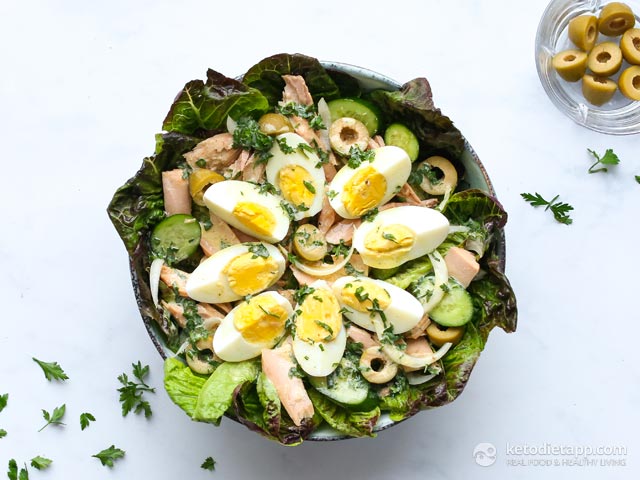
As well as providing an excellent source of protein and fats including omega 3’s, fatty fish offer a great source of electrolytes.
A 6-oz/ 170 g raw fillet contains:
- Mackerel – 129 mg of magnesium, 534 mg of potassium and 153 mg of sodium (9)
- Salmon – 46 mg of magnesium, 617 mg of potassium and 100 mg of sodium (10)
- Tuna – 60 mg of magnesium, 750 mg of potassium and 77 mg of sodium (11)
How to include fish in your diet:
4. Dark Green Leafy Veg and Other Non-Starchy Vegetables
A common misconception of a low carbohydrate/ketogenic diet is that it cannot contain any vegetables. Not only is consuming non-starchy vegetables allowed, it should be encouraged as they offer a variety of key nutrients including that of magnesium and potassium.
A 1-cup (cooked) serving contains:
- Spinach – 157 mg of magnesium and 839 mg of potassium (12)
- Swiss chard – 150 mg of magnesium and 961 mg of potassium (13)
- Kale – 30 mg of magnesium and 170 mg of potassium (14)
- Artichokes, globe – 35 mg of magnesium and 240 mg of potassium(15)
- Mushrooms, white – 19 mg of magnesium and 555 mg of potassium (16)
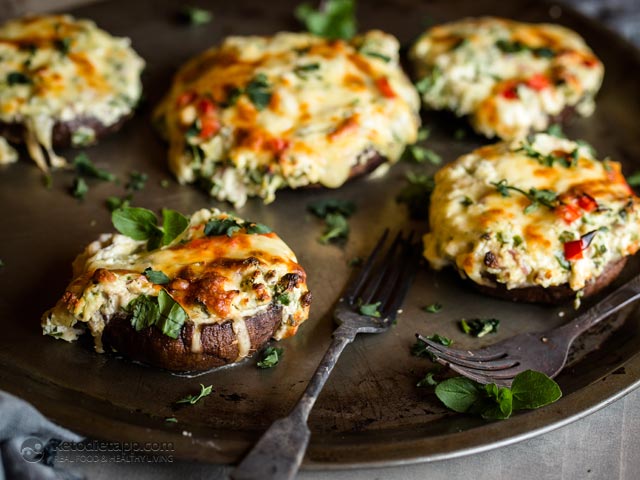
How to include greens and mushrooms in your diet:
5. Bone Broth
Bone broth is made by simmering the bones and connective tissue of animals. The mineral content is extremely high and having one cup a day can significantly help with the symptoms of the keto flu. It is an especially good source of naturally occurring sodium making it even better for the body.
Bone broth – on average 1 cup contains 120 mg of magnesium, 528 mg of potassium and 1,104 mg of sodium (values vary per each batch and depend on the bones and the amount of salt used).
How to include bone broth in your diet:
6. Cacao Powder and Dark Chocolate
Dark chocolate (above 70% cocoa content) has been shown to contain compounds that have many health benefits to the body. Surprisingly to some, it is also packed with some key minerals and electrolytes.
Whilst a whole bar could significantly contribute to you RDA of magnesium and potassium, it can also add considerably to your total carbohydrate content. Sticking to 1-2 squares of good quality chocolate will be enough to reap the benefits.
A 1-oz/ 28 gram serving contains:
- dark chocolate - 40-70 mg of magnesium and 200-540 mg of potassium (values vary in 70%-100% chocolate, the more cacao solids the better) (17)
- 1 tbsp cacao powder - 24 mg of magnesium and 69 mg of potassium (18)
How to include dark chocolate in your diet:
7. Avocado
Avocados are packed full of the heart healthy monounsaturated fats making them a great staple for low carbohydrate diets. They are especially good for those following a vegetarian style of low carb.
Whilst they do not have a specific sodium content, adding salt to avocados can help with your daily sodium intake. They are a particularly great plant based source of potassium:
- Avocado – 1 large (200 g/ 7 oz) contains 58 mg of magnesium and 975 mg of potassium (19)
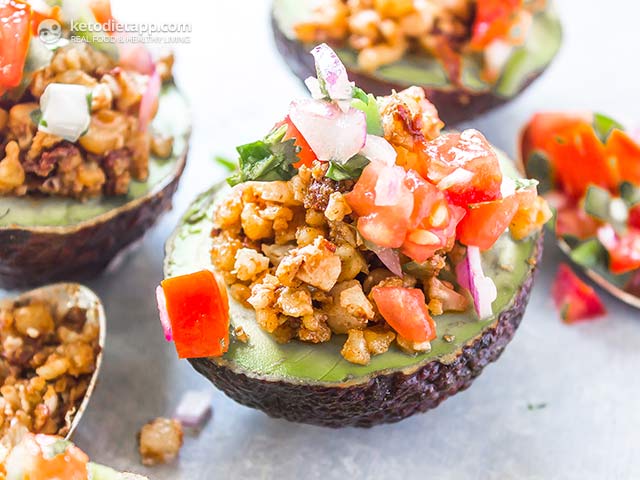
How to include avocados in your diet:
8. Meats
Many think of meats as just being a good source of protein but certain options are packed full of micronutrients needed to help with the keto flu.
A 6-oz/ 170 g (raw) serving contains:
- Turkey breast – 42 mg of magnesium, 403 mg of potassium and 211 mg of sodium (20)
- Beef steak – 39 mg of magnesium, 581 mg of potassium and 94 mg of sodium (21)
- Pork chop – 42 mg of magnesium, 585 mg of potassium and 94 mg of sodium (22)
How to include meats in your diet:
9. Dairy
Many people think that dairy needs to be avoided altogether but this is not the case. Whilst dairy does contain a certain level of carbohydrates (in the form of lactose), it is also packed with other essential nutrients. It is especially a great source of naturally occurring sodium in the diet.
A 2-oz/ 57 gram serving contains:
- Yoghurt, 1 cup (8 oz) - 27 mg of magnesium, 352 mg of potassium and 104 mg of sodium (23)
- Feta cheese, 2 oz (57 g) - 11 mg of magnesium, 35 mg of potassium and 646 mg of sodium (24)
- Cheddar cheese, 2 oz (57 g) - 17 mg of magnesium, 138 mg of potassium and 767 mg of sodium (25)
- Parmesan, 1 oz (28 g) - 12 mg of magnesium, 26 mg potassium and 333 mg of sodium (26)
How to include dairy in your diet:
10. Himalayan Salt or Sea Salt
This last one may seem slightly obvious, but a lot of people can still be concerned about adding extra salt to their food. On a low carbohydrate diet though, because there will be less processed foods in the diet it means that more salt will need to be added.
There is an argument that Himalayan salt does have a higher mineral content than table salt. Although the amounts you may need to consume to hit any significant intake would be vast. That being said, salt such as Himalayan salt is known to be purer than that of table salt and may be a better option:
- Sea salt, 1 teaspoon (6 g) - 2,360 mg of sodium (27)
How to include electrolytes, including sodium, in your diet:
Take Home Message
When starting a low carbohydrate diet, ensuring you get the appropriate electrolytes from food is just as important as the macronutrient content.
Be sure to plan your foods so that your meals are as nutrient dense as possible will help to alleviate any keto flu that you may experience.
https://ift.tt/2E3XLc9


 Remove muffins from the fridge and return to room temperature before serving.