Tuesday, December 4, 2018

How To Follow a Low-Carb Diet If You Are Busy

How To Follow a Low-Carb Diet If You Are Busy

When it comes to a love of cooking, there are two kinds of people: those who escape to the kitchen, and those who escape from the kitchen. Whether you’re the former or the latter, preparing things in advance can save time and make meal prep easier and less stressful.

If you’re new to a ketogenic or low-carb diet or you’ve been eating this way for a while, you might be convinced meal prep isn’t as quick or easy as it was back in your high-carb days. When you’re not watching your carb intake, putting a meal on the table is as simple as boiling some pasta and tossing it with a store-bought sauce, or even as quick as pouring a bowl of cereal.

Since packaged convenience foods are typically loaded with starch and sugar, low-carb and ketogenic cooking may not be as simple as being able to reach for whatever’s handy. But just because cooking isn’t quite as quick and easy when you’re limiting carbs doesn’t mean it’s difficult. It’s only as complicated and time-consuming as you make it. The good news is, this means it’s as simple and easy as you make it, too.

If you’re willing to accept that not every single meal you eat needs to be a gourmet adventure, it takes only minutes to put together a delicious and nutritious keto-friendly meal, whether you’re cooking for one or feeding a family.

How do you do it?

There’s an old saying: “How do you get to Carnegie Hall?”
“Practice, practice, practice.”

Well, when it comes to fast and easy keto cooking, it’s preparation, preparation, preparation.

1. Stock Your Kitchen

In the context of cooking, the first step is maintaining a well-stocked refrigerator, freezer, and pantry. If you keep a good selection of ingredients on hand, you can put a meal together in less time than you spent waiting for pizza or Chinese delivery in your previous high-carb life.

But the thing is, you can’t cook what you don’t have. So let’s start there. Here’s a basic guide to what to keep on hand in your kitchen so that when it’s mealtime and your home or your life in general feels like it’s in chaos, one thing you won’t have to stress over is what to make for dinner…or breakfast or lunch.

Keep in mind that what’s below are simply suggestions to get you thinking about the kinds of things that are helpful to keep on hand. Tailor your own lists to suit your or your family’s taste preferences, food sensitivities, etc.

And whether buying packaged meats such as sausages or lunchmeat (or if you don't eat meat, here's our Vegetarian Keto Diet Guide), sauces, vegetables, or any other canned, jarred, or bottled foods, always read labels and look for added sugars and starches.

The mere presence of sugar or starch is not a deal breaker. For example, many commercially available bacon brands are cured with sugar or brown sugar, but the amount remaining in the final product is very small. Whatever you buy, just be sure that the total amount of carbohydrate per serving is very low, and that it will not put you over your own individual carb limit for the day.

Freezer
  • Bacon
  • Ground beef, lamb, or bison
  • Ground pork or loose sausage
  • Ground turkey or chicken
  • Chicken breasts, thighs, drumsticks, or leg quarters
  • Sausage grillers (large, thick sausages, such as Bratwurst, chorizo, or Andouille)
  • Breakfast sausages (smaller links than grillers; avoid those with starch or sugar additives)
  • Steaks (any cuts you like)
  • Pork chops
  • Shrimp, salmon, tilapia, other finfish or shellfish
  • Vegetables — plain, no sauce or breading

Good vegetable choices are:

  • broccoli florets, cauliflower, brussels sprouts, spinach, chopped kale, low-carb vegetable mixes
  • riced or spiralized vegetables — cauliflower, broccoli, zucchini (courgette), yellow squash, carrots (slightly higher in carbs, but fine for keto in small amounts)

Purchasing whole vegetables and ricing or spiralizing them yourself is more budget-friendly, but if time is in shorter supply for you than money, you can now find fresh or frozen riced and spiraled vegetables at most grocery stores. Take advantage of these big time-savers if your finances allow.

Cooking with Low-Carb Staples
Refrigerator
  • Leftovers — cook once, eat two or three times! (And don’t forget about odds & ends like broccoli stalks, mushroom stems, and other “castoffs” from previous days’ cooking that can be used in soups, stews, omelets etc.)
  • Bacon fat — reserved from cooking bacon; use for sautéing greens, frying eggs, etc.
  • Full-Fat Dairy (if you eat dairy) — cheese, sour cream, yogurt, heavy whipping cream, half-and-half, mascarpone, ricotta, cream cheese — an assortment of whatever you like
  • Eggs — consider keeping 2-3 dozen on hand; you will go through them quickly, so save yourself the trouble of having to run to the store so often. Eggs keep for a long time, even past their “sell-by” date, as long as they’ve been kept refrigerated. If you get them from a local farm, you might even be able to get unwashed eggs, which don’t require refrigeration at all.
  • Non-starchy vegetables — what’s available may vary by season, but here are good options to keep in the fridge and change up as seasons change: zucchini (courgette), yellow squash, eggplant (aubergine), bell peppers (capsicum; all colors: green are lowest in carbs, but red, yellow, and orange are also suitable for keto), cucumbers, lettuce (any varieties you like), spinach, broccoli, cauliflower, brussels sprouts, mushrooms, asparagus, jicama, radishes, kale, fennel, dandelion greens, cabbage (any varieties you like). Onions and tomatoes are also great to have on hand, but they may keep best on the counter or in the pantry rather than in the refrigerator.
  • Low-sugar lunch meat (cold cuts) — simple ones, such as turkey, ham, and roast beef, are fine, but don’t forget about salami, prosciutto, sopressatta, etc. These are great for keto because they’re higher in fat. Be sure to read labels on cold cuts; many are cured with sugar, brown sugar, or dextrose. This is fine as long as the total carbohydrate per serving is just 1-2 grams. “Honey baked ham” or “brown sugar turkey” are best avoided; stick with varieties that are roasted or seasoned with herbs and spices.
  • Condiments — mustard (all varieties are fine except honey mustard), mayonnaise, salad dressing (look for varieties with just 1-3 grams carbs per serving); sugar-free or homemade ketchup, pickles or sugar-free pickle relish, olives, pesto sauce

Basic Low-Carb Sauces & Condiments
Pantry
  • Canned fish — tuna, salmon, sardines, mackerel. Stock up when they’re on sale; they won’t go bad, and they’re an excellent snack or part of a meal.
  • Nuts & seeds — all nuts & seeds are fine, but go easy on peanuts and cashews, as these are technically legumes and are higher in carbs than are tree nuts. (Consider keeping nuts & seeds in the fridge if you don’t finish them in a timely manner. The oils may turn rancid if they sit around for too long, but this usually takes a long time. Most low-carbers have the magical power of making nuts disappear quickly, so this isn’t usually a problem!)
  • Coconut — coconut milk, coconut cream, shredded coconut, coconut flour, coconut oil
  • Canned tomatoes — stock up when they’re on sale and keep a variety on hand—crushed, whole, diced, stewed, plain, fire-roasted, seasoned with chilies, etc. Read labels and avoid varieties with added sugar.
  • Pickled and jarred vegetables and fruit — cucumbers, olives, capers, sauerkraut, etc
  • Canned pastes and sauces — curry pastes (watch for added sugar), harissa paste, pesto sauce
  • Healthy oils — extra virgin olive oil, walnut oil, macadamia oil or avocado oil, toasted sesame oil (for occasional stir-frying or finishing; lends a delicious Asian flair). For more information, here's our Complete Guide to Fats & Oils.
  • Assortment of vinegars — apple cider, red wine, champagne, balsamic (all vinegars are fine for keto; just go easy with balsamic, as it’s higher in carbs than the others). By the way, did you know that vinegar helps lower blood sugar?
  • Salt & pepper — for the best pepper flavor, use a grinder and grind fresh
  • Liquid seasonings — Fish sauce, soy sauce, tamari (wheat-free soy sauce), or coconut aminos (wheat- and soy-free soy sauce substitute)
  • Dried or powdered herbs & spices — anything you like — cayenne pepper, red pepper flakes, cumin, sage, thyme, chili powder, basil, oregano, curry powder, turmeric, rosemary, cinnamon, etc. Many herbs taste best when used fresh, but dried versions work in a pinch.
  • Low-carb sweeteners — erythritol, stevia, monk fruit extract, etc (You can find out more about the Top 5 Low-Carb Sweeteners in this post
  • Pork rinds or chicken cracklings — perfect for when you miss the unique crispy crunch of a chip. They’re great on their own and also make a perfect snack with homemade dip made from sour cream, cream cheese, or guacamole, and you can even use crushed pork rinds as “breading” for chicken breasts, pork chops, and more.
  • Dark chocolate (85% or higher, or make your own homemade sugar-free chocolate)

If you keep your kitchen stocked with most of the above — or your personalized version of it, consisting of the low-carb foods you like best — meal prep will be a breeze. When you have the right things on hand and you know your way around a spice rack, whipping up keto meals is quick and easy. Here are some specific suggestions to help you do just that.

Low-Carb Pickles & Condiments
2. Cook in Bulk: “Go Big or Go Home”

If you’re someone who enjoys cooking and looks forward to doing it multiple times a day, this tip might not apply to you. But if you have a schedule jam-packed with running from one commitment to the next, and you laugh at the mere thought of having time to cook every day, set aside a bit of time once or twice a week to prepare a large amount of food.

It takes almost no extra time to prepare a large amount of food as it does just one serving, so if you’re going to dirty a few knives, spoons, pots, and pans, you might as well have something substantial to show for it.

Eggs

Boil a dozen or two at a time. Hard-boiled eggs are a low carber’s best friend for a quick, convenient, and portable source of protein & fat. They’re a snack, they’re a meal, they’re deviled eggs or egg salad later in the week. If you’re going to boil eggs, there’s no point in boiling just 2 or 3 eggs. Try a dozen, or two dozen and keep in the fridge for up to a week.

Chicken

Chicken breasts, thighs, or leg quarters (with or without skin & bones): As long as you’re cooking these, make 2 or 3 packages at once, whether that’s grilled, roasted, baked, or broiled. You can use them for a meal that day, or cut them into strips or chunks and eat them cold for a snack — very yummy dipped in blue cheese or ranch dressing, or guacamole. Over the next few days after that, they can be used as the protein in a lunch or dinner salad, or used to make chicken chili, thanks to the peppers, canned tomatoes, and spices you keep on hand.

Chicken breasts are often frowned upon in the keto community, but they’re perfectly acceptable as a protein source. They’re very lean and are nearly flavorless, but these are benefits, not drawbacks. It means they’re the perfect vehicle for any flavors and healthy fats you might like to add: melt cheese on top, wrap them in bacon, slice them and dip in ranch or blue cheese dressing or guacamole. Stuff them with ham and cheese for chicken cordon bleu, or with spinach, mozzarella, and sun-dried tomatoes for an Italian treat.

Meat for Slow Cooking or Pressure Cooking

Cooking in a slow cooker (or a pressure cooker like Instant Pot) is convenient and budget-friendly because it enables you to cook tough, inexpensive meat cuts, such as brisket, chuck, shin, shanks, and oxtails, turning them into hearty stews and wholesome curries. It’s also likely you will cook meat and sides together instead of having to prepare them separately on the stove or in the oven.

Steak

Don’t bother cooking just one. If you’re grilling or broiling anyway, cook several steaks. (And here’s a primer on how to cook the perfect steak.) Have one for dinner; use another in a salad the next day or the day after that. You can also treat yourself to steak & eggs one morning or make a steak omelet or frittata. Slice up a couple of leftover steaks, combine with the onions and bell peppers you keep on hand, and you’ve got fajitas for dinner later in the week. (Also works for chicken breasts!)

Sausages

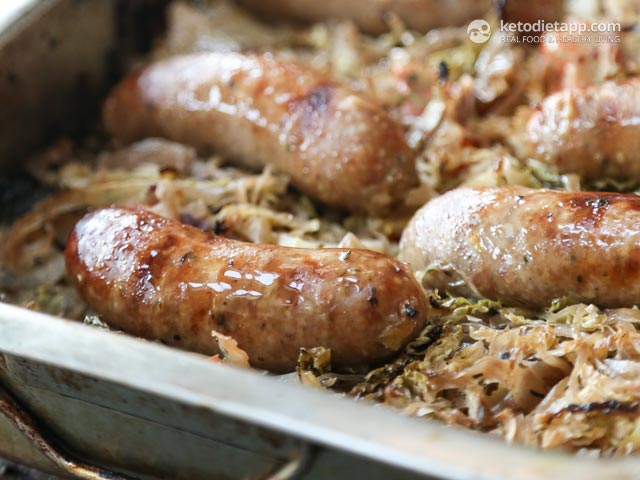
Use whatever kind you like: pork, chicken, turkey, beef, or perhaps there’s a shop near you that sells meats a bit out of the ordinary, like venison or wild boar. Bake or grill many of them at one time. Cold sausages make excellent snacks or a breakfast on the go. (Applies to the large grilling sausages as well as the smaller breakfast links.)

Raw Vegetables

If you often stock up on fresh, beautiful produce in an array of bold and appealing colors only to throw them out in two weeks’ time because they’ve rotted before you got to them, you’re not alone! No matter how delicious these are, sometimes the effort required to peel, slice, or chop just feels like a bit too much, so we let them languish at the bottom of the vegetable drawer. The solution to this is to wash, peel, slice and dice them ahead of time, and keep them stored in airtight containers in the fridge.

Some nutrients degrade with time, as well as upon exposure to light and air, so you might lose just a little bit by cutting into them a day or two (or three!) before you eat them, but you’ll lose less nutrition that way than if you end up throwing them away altogether. Keeping healthy foods in your home does you no good if you don’t actually eat them. (Kind of like that piece of exercise equipment you bought and swore you were going to use, but which has actually turned into a highly efficient clothing rack.) When they’re prepped ahead of time, they’re a cinch to grab as a snack, toss into a salad, or cook as a side dish.

Cooked Vegetables

Roast, steam, grill, bake, or sauté a huge pile of vegetables at once. Use in salads, omelets, quiches, as side dishes, or as a snack by themselves. Steam a ton of broccoli or cauliflower and keep it plain. Then, you can use it any way you like later in the week: tossed in a stir-fry, eaten cold as a snack, or even blended into a soup.

If you cook a large amount of vegetables and leave them plain, you can fix them any way you want when the time comes for their second or third appearance on your plate: drizzle with olive oil and balsamic vinegar; toss with olive oil, parsley and cumin for a cold Moroccan-style salad; combine with toasted sesame oil and soy sauce or coconut aminos for an Asian flavor.

Recipes Suitable for Bulk Cooking
https://ift.tt/2zDyb9m

Monday, December 3, 2018

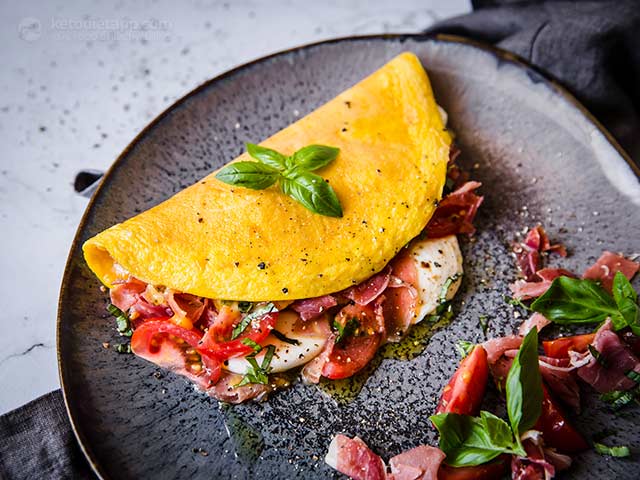
Easy Italian Melt Omelet

Easy Italian Melt Omelet

There is nothing that I love more than a quick, tasty and filling lunch. Or breakfast.

This low-carb omelette (or omelet for my American friends) is so easy to put together but is full of all of the delicious flavours of Italy. Creamy fresh mozzarella meets salty prosciutto, and they get together with their best friends, tomato and basil, and party together in your mouth.

If you wanted to turn it into a full meal, you could pop a nice keto friendly side salad with it and you’d be good to go. Enjoy!

Preparation time
Hands-on:    5 minutes
Overall:     10 minutes
Nutritional values (per serving)
Total Carbs 4.5 grams
Fiber 0.9 grams
Net Carbs 3.6 grams
Protein 36.7 grams
Fat 42.7 grams
of which Saturated 13 grams
Energy 555 kcal
Magnesium 33 mg (8% RDA)
Potassium 406 mg (20% EMR)

Macronutrient ratio: Calories from carbs (3%), protein (27%), fat (70%)

Ingredients (makes 1 serving)
  • 1 tbsp + 1 tsp extra virgin olive oil (35 ml)
  • 6-8 cherry tomatoes (60 g/ 2.1 oz)
  • 1 tbsp freshly chopped basil
  • 2 slices prosciutto di Parma (20 g/ 0.7 oz)
  • few slices fresh mozzarella (50 g/ 1.8 oz)
  • 3 large eggs
  • salt and pepper, to taste
Instructions
  1. Pour 1 tablespoon of the the olive oil into an omelette pan and place over medium heat.
  2. While heating, quarter the tomatoes, shred the basil and chop the prosciutto and mozzarella into small pieces.
  3. Break the eggs into a bowl, season to taste, and whisk until frothy, then pour into the heated pan. Leave to cook for a minute, then run a spatula gently around the underside.
  4. Cook until the top and centre look almost set, then scatter the mozzarella, prosciutto, tomatoes and basil over one half of the omelette.
  5. Fold the omelette over the fillings, turn the heat off and leave to sit for a minute. Drizzle with the remaining 1 teaspoon of olive oil.
  6. Slide the omelette on to a plate and eat while hot. I prefer to eat my omelette when it is fresh cooked, but you could store it in a covered container in the fridge for up to three days and reheat it prior to eating.
https://ift.tt/2RqyDi6

Sunday, December 2, 2018

Low-Carb Gingerbread Loaf

Low-Carb Gingerbread Loaf

This keto Gingerbread Loaf is perfect for fall and winter! The warming spices like ginger, cinnamon, and clove create a delicious cake base that’s then topped off with a decadent cream cheese frosting.

The walnuts on the top make for a great added crunch. However, if you’re nut free feel free to leave them off. For only 3.8 net carbs this is definitely a low-carb dessert that you want to have in your back pocket this time of year.

Preparation time
Hands-on:    15 minutes
Overall:     35 minutes
Nutritional values (per serving, 1 slice)
Total Carbs 7.1 grams
Fiber 3.2 grams
Net Carbs 3.9 grams
Protein 6.9 grams
Fat 22.2 grams
of which Saturated 12.4 grams
Energy 249 kcal
Magnesium 19 mg (4.66% RDA)
Potassium 124 mg (6.18% EMR)

Macronutrient ratio: Calories from carbs (6%), protein (11%), fat (83%)

Ingredients (makes 8 servings) Loaf: Icing:
  • 1/2 cup softened cream cheese (120 g/ 4.2 oz)
  • 1/4 cup powdered Swerve or Erythritol (40 g/ 1.4 oz)
  • 1 tsp sugar-free vanilla extract
  • 1/4 cup walnut pieces (29 g/ 1 oz) - or toasted coconut flakes for nut-free
DIY Gingerbread Spice Mix:
  • 2 tsp ground ginger
  • 2 tsp ground cinnamon
  • 1/2 tsp ground allspice
  • 1/2 tsp ground nutmeg
  • 1/2 tsp ground clove
  • 1/4 tsp sea salt

Note: If you need to substitute almond flour for coconut flour, I'd use about 2 cups (200 g/ 7.1 oz) of almond flour. This will produce fluffier/less dense texture.

Instructions
  1. Preheat oven to 175 °C/ 350 °F and grease a 20 x 10 x 5 cm (8.5" x 4.5" x 2.5") loaf pan. In a large bowl whisk together the eggs and the melted butter.
  2. Add in the Swerve, coconut flour and baking powder.
  3. Add the gingerbread spice mix.
  4. Mix just until combined.
  5. Pour the batter into the loaf pan and bake for 20-25 minutes until golden and a toothpick inserted into the middle comes out clean. Cool completely before removing from pan.
  6. In a small bowl beat the icing ingredients (except walnut pieces) together using a hand mixer.
  7. Top the loaf with the icing and sprinkle with walnuts before serving. Store in an airtight container in the refrigerator for up to 5 days.
https://ift.tt/2rf65MW

Saturday, December 1, 2018

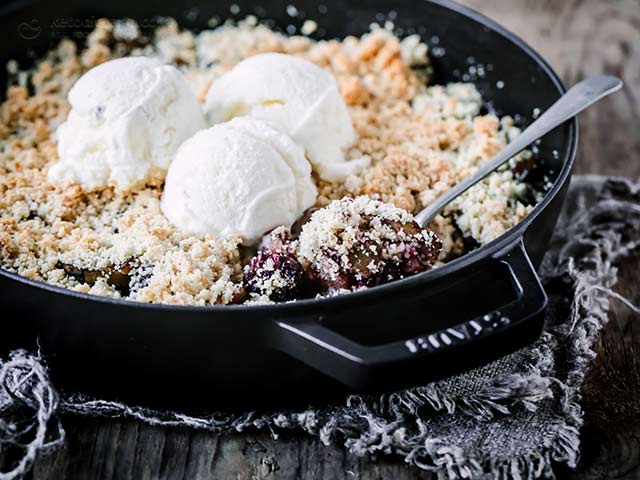
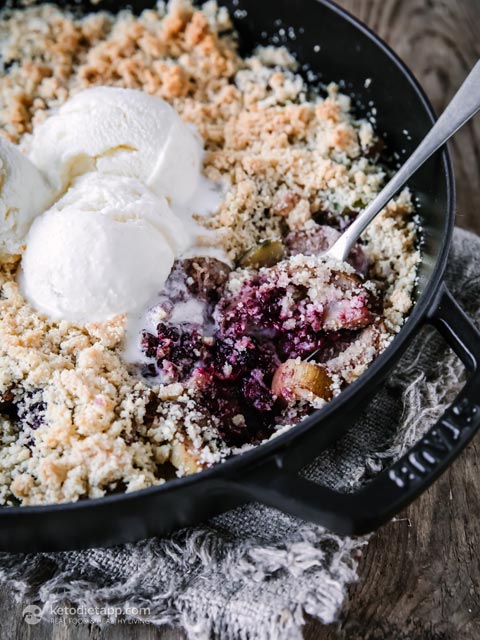
Low-Carb Blackberry & Apple Crumble

Low-Carb Blackberry & Apple Crumble

There’s nothing like a good crumble in autumn to make you feel all snuggly and at home!

And because I believe you should be able to enjoy all your favourites whilst following a keto diet, I made my favourite faux apple and blackberry crumble using zucchini for apple and a grain free crumble topping. I know zucchini sounds bonkers right but it totally works!

I love to serve this low-carb Apple and Blackberry Crumble with Martina’s No Churn Vanilla Ice Cream but Naomi’s Crème Anglaise would be absolutely delicious with it too.

What do you think… ice cream, crème Anglaise or good old Greek yoghurt? I’m torn but I know nights with a bowl of this and my slouch pants is the best date night in the world!

Preparation time
Hands-on:    15 minutes
Overall:     55 minutes
Nutritional values (per serving)
Total Carbs 13.1 grams
Fiber 5.9 grams
Net Carbs 7.2 grams
Protein 7.2 grams
Fat 19.4 grams
of which Saturated 4.7 grams
Energy 239 kcal
Magnesium 93 mg (23% RDA)
Potassium 550 mg (28% EMR)

Macronutrient ratio: Calories from carbs (12%), protein (12%), fat (76%)

Ingredients (makes 6 servings)
  • 4 medium zucchini, center with seeds removed (680 g/ 1.5 lb) - about 600 g/ 1.3 lb after peel and seeds removed
  • 1 1/2 cups fresh or frozen blackberries (215 g/ 7.6 oz)
  • 2 tsp cinnamon
  • 1/4 - 1/2 tsp ground nutmeg
  • 2 tbsp fresh lemon juice
  • 1/3 cup powdered Erythritol or Swerve (55 g/ 1.9 oz)
  • 2 tsp cream of tartar
Crumble: To serve (optional): Instructions
  1. Preheat the oven to 160 °C/ 320 °F (fan assisted), 200 °C/ 390 °F (conventional). Chop the ends off the zucchini. Peel, slice in half lengthways and scoop out the seeds using a melon baller or teaspoon.
  2. Chop into 1/2 cm (0.2 inch) thick slices. Add the sliced zucchini to a pan of boiling water and simmer on a medium heat for 2 – 3 minutes until el-dente. Drain the water, place the cooked zucchini onto kitchen paper and pat dry. Place into your serving dish.
  3. Add the blackberries, cinnamon, nutmeg, lemon juice, erythritol, cream of tartar and carefully mix until combined. (Cream of tartar can be omitted although it's highly recommended. Together with the spices it transforms the flavour of zucchini so they taste almost like apples. It also adds a)
  4. In a clean bowl mix the almond flour, vanilla and optional sweetener for the keto crumble topping. Rub through the butter with your hands until it forms a fine crumb.

  5. Place the low-carb ‘apple’ and blackberry filling in a 23 cm (9-inch) skillet. Sprinkle the crumble mix on top of the filling and bake in the oven for 30-40 minutes, until golden.
  6. Remove from the oven and allow to cool slightly before serving.
  7. Top with No-Churn Vanilla Ice Cream, Crème Anglaise, yogurt, whipped cream or coconut cream or coconut yoghurt for dairy-free.

  8. Store in a fridge for up to 3 days, or in the freezer without the topping for up to 2 months.

https://ift.tt/2rhIeMR

Thursday, November 29, 2018

Can a Ketogenic Diet Help Control Appetite and Hunger?

Can a Ketogenic Diet Help Control Appetite and Hunger?

Appetite: a simple word that is not so simple when it comes to the factors that drive your desire to eat. While we associate appetite with the gut, it is influenced by an intricate system that includes messages sent between the gut and brain. Some of these messages involve hormones that will affect appetite too.

Are Appetite and Hunger The Same?

There is a difference between appetite and hunger. Hunger is a physical symptom caused by a lack of food (ie, a calorie-restricted diet). You might feel as if you cannot focus, are lightheaded or your stomach grumbles. (1).

Unlike hunger, appetite is controllable and can be influenced by social functions, emotional situations and even marketing advertisements [seeing an ad for your favorite food, smelling the aroma of food as you walk through the mall or hearing the sizzle of bacon].

However, we now know internal messages and the environment (medications, diet, emotions and social situations) work synergistically to affect each other. So the line that differentiates appetite and hunger can be confusing, and the two can overlap.

So what are the important internal appetite triggers? Each of us has our own set of appetite triggers:

1. Genetics Affects Appetite

Your genetic make-up can influence your pleasure response to food. For instance, specific genes are associated with a preference for sweet vs. salty tastes, a greater likelihood of overconsuming certain types of food, and other eating behaviors.

Addictive responses to the sweet taste of food, smoking, drugs and alcohol have been linked to the same genetic pathway that includes dopamine and the EuCannaboid System, ECS, part of the endocrine system (2).

In one study, MRI images were used to show pleasure responses for obese and lean teenagers. Participants who had less of a dopamine (pleasure) response also seemed to lack the DRD2 A1 or DRD4-7R gene. They craved or ate more and were more likely to gain weight than the teens who had these genes (2).

There is more evidence involving the DRD2 A1 gene and its specific influence on carbohydrates and fast food cravings. In another study, Asian American college students who had the DRD2 A1gene had more cravings than those who didn't have the gene (3).

Appetite can be influenced by genetics which seem to trigger carbohydrate cravings. It may be wise to reduce carbohydrate triggers and select alternate healthy fat or protein food options.

Appetite is Affected By More Than Just Your Stomach

Fat cells, the gut, the brain, nerve cells and body organs (the gut, pancreas, colon) all communicate via a messaging loop. This messaging loop, also known as the gut-brain axis, involves hormones that influence appetite, hunger and satiety (4, 5).

If the hormonal loop is working as it should, the balance results in a healthy normal appetite. However, if there is a glitch in the messaging system and hormonal malfunctions exist, appetite issues arise.

For example, adequate insulin should reduce appetite; however, excess insulin release lowers blood sugar, which increases hunger. In addition, there are many hormones that play a role in this complex process, such as leptin, ghrelin, cholecystokinin, peptide YY and glucagon-like peptide 1.

How all these internal signals work to regulate appetite is still unknown. However, what is important to understand is that these internal triggers will influence external or environmental factors that affect appetite.

Original image at TheConversation.com

How Can the Gut-Brain Axis Affect Appetite?

There is a complex gut-brain axis system that we are only beginning to understand, which can have profound effects on the quantity and variety of food you eat.

In the gut: Different varieties of gut bacteria (such as E. coli or Helicobacter pylori) can increase or decrease appetite (6). The bacteria may produce a specific appetite-lowering protein.

Sean Davies of Vanderbilt University fed mice water containing bacteria that produced feelings of fullness. When mice drank this water, they ate less and had lower body fat regardless of the type of diet they were fed.

Sometimes gut bacteria can operate in different ways. They can affect fullness hormones (7), influence taste, or affect pleasure and reward pathways in the brain.

In the brain: Neuropeptides are part of appetite regulation too. Elevated levels of neuropeptide Y (NPY) will cause you to be hungry, especially with high carbohydrate intake (8). Furthermore, NPY helps you more readily store extra food as abdominal fat, potentially leading to metabolic syndrome and diabetes (9, 10)

Can The Environment Mimic Internal Appetite Signals?

It is not just what's on the inside that influences our food choices; what happens on the outside counts too. Environmental factors play a big part in appetite and what we eat. A few examples of this are social events, taking medication, not sleeping and even weight loss itself.

2. Socializing

According to "Psychology Today" there is a significant relationship between being social and eating triggers. People tend to eat more when in social situations than when alone regardless of appetite and how full they might feel (11).

The sight and smell of chocolate can trigger you to eat more chocolate. Buffets with endless amounts of food can lead to consuming extra portions. Dining out typically results in consuming more alcohol, salt and water.

When socializing, pay attention to types of foods and how much you eat.

3. Prescription Medication

Prescription medications are important for managing certain health conditions. However, some prescriptions can increase appetite, cause fluid retention or decreased metabolism — all of which cause weight gain. This is a perfect example of why the experts who believe that ALL weight gain is a result of a lack of self control OR simply eating more calories than the body burns are incorrect.

According to Louis Aronne, MD, director of the Comprehensive Weight Control Center at Weill Cornell Medical College, “10 to 15% of weight issues are directly related to prescription medications" (12)

You may want to speak to your doctor if you are taking any medications that increase your appetite. There may be alternatives to these prescriptions for conditions including:

  • Depression and mood stabilizing drugs
  • Certain diabetes medications
  • Corticosteroids
  • Seizure and migraine prescriptions
  • Beta blocker or blood pressure medications
  • Anti-histamines and allergy relievers
  • Birth control pills

For some of these conditions, the ketogenic diet alone can make a huge difference due to its appetite suppressing effects.

4. Lack of Sleep

Getting too little sleep can affect appetite and reduce ”dietary restraint.” Less than five hours or more than nine hours can increase your appetite and contribute to weight gain. (13)

One way that lack of sleep stimulates appetite involves hormonal fluctuations. Leptin drops and ghrelin increases (14) in a similar manner as marijuana, and the ECS takes over, affecting the pleasure response of food (see above under genetics).

A randomized crossover study (15) assessed appetite, hunger and food intake in relation to adequate sleep (8.5 hours) or inadequate sleep (4.5 hours). After inadequate sleep for four nights, there was a 33% rise in eucannaboid levels. At the same time these levels peaked and remained high (from 2 pm until 9 pm), participants reported elevated hunger levels and ate 300 extra calories.

This suggests lack of sleep leads to both increased calorie intake and also to changes in the pleasurable feelings that relate to eating. The authors of the study explain, ”If you have a Snickers bar, and you've had enough sleep, you can control your natural response. But if you're sleep deprived, your hedonic drive for certain foods gets stronger, and your ability to resist them may be impaired. So you are more likely to eat it. Do that again and again, and you pack on the pounds."

Another randomized crossover study shows that even after one night of insufficient sleep, ghrelin kicks in, making you hungry. Volunteers consumed significantly more (greater than or equal to 550 calories) the day after sleep restriction (4 hours vs 8 hours). Hunger was also significantly higher before breakfast and dinner meals (16).

5. Weight Loss as an Internal Appetite Trigger

Ever wonder why most people cannot maintain weight loss and end up regaining weight?

There is a study showing that weight that loss shifts hunger hormones and people get more hungry. These shifts can decrease satiety hormones and increase hunger signals for a year. Therefore, making one more susceptible to regaining lost weight for up to one year after weight loss (17).

In practical terms, for the next 12 months after weight loss, behavior strategies must be put into place to counteract triggers that may cause weight regain. After this time period has passed, hunger hormones are not likely to play as much of a role.

How Does a Ketogenic Diet Control Appetite & Hunger?

Following a low fat, calorie restricted diet can induce weight loss. However, you risk re-gaining the weight because a low fat diet changes appetite hormones. The low fat diet lowers leptin levels and increase ghrelin, increasing appetite (18). As explained above, eating more carbs may also put certain individuals with a genetic profile at risk for weight gain.

A ketogenic diet — composed of at least 60% fat, 15-30% protein and 5-10% carbohydrate of total calories — reduces appetite due to its specific macronutrient composition.

Ketosis also helps regulate appetite-stimulating hormones in the following ways:

  1. Maintains normal post-meal blood sugar response;
  2. Increases fatty acids in the bloodstream after meals to maintain fullness hormones longer;
  3. Lowers perceived hunger and food intake instead of inducing feelings of deprivation (19).

Dr. Michael Eades also has another theory that might explain the value of lowering carbohydrates as an optimal way to reduce appetite (20). It is well understood that a ketogenic diet lowers triglycerides.

Dr. Eades explains the findings from a Japanese study (21). He believes high triglycerides inhibit leptin's ability to cross the blood-brain barrier. If leptin cannot get the message to turn off ghrelin's hunger signal to the brain, appetite is not controlled. As one lowers triglycerides using a ketogenic diet, leptin is able to signal the brain and resume its dual role to lower hunger and increase metabolic rate. No matter the reason, comparison studies show a very low-carbohydrate ketogenic diet (4% carbohydrate) reduces hunger and lowers food intake significantly (22).

Take Home Message

Understanding what specifically increases your appetite and hunger is important.

A ketogenic diet can help balance hormones that signal appetite suppression as part of gut-brain messaging. When environmental and internal appetite triggers are aligned, weight loss is much more manageable and successful.

Understanding the complexity of what influences appetite — what makes you hungry and why — helps shed the old-school thought that weight status is a simple ratio of calories in vs. energy expended. Being in ketosis helps reduce appetite effortlessly without feelings of deprivation and aids in regulating food intake.

https://ift.tt/2KFBH7o