How To Follow a Low-Carb Diet If You Are Busy

When it comes to a love of cooking, there are two kinds of people: those who escape to the kitchen, and those who escape from the kitchen. Whether you’re the former or the latter, preparing things in advance can save time and make meal prep easier and less stressful.
If you’re new to a ketogenic or low-carb diet or you’ve been eating this way for a while, you might be convinced meal prep isn’t as quick or easy as it was back in your high-carb days. When you’re not watching your carb intake, putting a meal on the table is as simple as boiling some pasta and tossing it with a store-bought sauce, or even as quick as pouring a bowl of cereal.
Since packaged convenience foods are typically loaded with starch and sugar, low-carb and ketogenic cooking may not be as simple as being able to reach for whatever’s handy. But just because cooking isn’t quite as quick and easy when you’re limiting carbs doesn’t mean it’s difficult. It’s only as complicated and time-consuming as you make it. The good news is, this means it’s as simple and easy as you make it, too.
If you’re willing to accept that not every single meal you eat needs to be a gourmet adventure, it takes only minutes to put together a delicious and nutritious keto-friendly meal, whether you’re cooking for one or feeding a family.
How do you do it?
There’s an old saying: “How do you get to Carnegie Hall?”
“Practice, practice, practice.”
Well, when it comes to fast and easy keto cooking, it’s preparation, preparation, preparation.

1. Stock Your Kitchen
In the context of cooking, the first step is maintaining a well-stocked refrigerator, freezer, and pantry. If you keep a good selection of ingredients on hand, you can put a meal together in less time than you spent waiting for pizza or Chinese delivery in your previous high-carb life.
But the thing is, you can’t cook what you don’t have. So let’s start there. Here’s a basic guide to what to keep on hand in your kitchen so that when it’s mealtime and your home or your life in general feels like it’s in chaos, one thing you won’t have to stress over is what to make for dinner…or breakfast or lunch.
Keep in mind that what’s below are simply suggestions to get you thinking about the kinds of things that are helpful to keep on hand. Tailor your own lists to suit your or your family’s taste preferences, food sensitivities, etc.
And whether buying packaged meats such as sausages or lunchmeat (or if you don't eat meat, here's our Vegetarian Keto Diet Guide), sauces, vegetables, or any other canned, jarred, or bottled foods, always read labels and look for added sugars and starches.
The mere presence of sugar or starch is not a deal breaker. For example, many commercially available bacon brands are cured with sugar or brown sugar, but the amount remaining in the final product is very small. Whatever you buy, just be sure that the total amount of carbohydrate per serving is very low, and that it will not put you over your own individual carb limit for the day.
Freezer
- Bacon
- Ground beef, lamb, or bison
- Ground pork or loose sausage
- Ground turkey or chicken
- Chicken breasts, thighs, drumsticks, or leg quarters
- Sausage grillers (large, thick sausages, such as Bratwurst, chorizo, or Andouille)
- Breakfast sausages (smaller links than grillers; avoid those with starch or sugar additives)
- Steaks (any cuts you like)
- Pork chops
- Shrimp, salmon, tilapia, other finfish or shellfish
- Vegetables — plain, no sauce or breading
Good vegetable choices are:
- broccoli florets, cauliflower, brussels sprouts, spinach, chopped kale, low-carb vegetable mixes
- riced or spiralized vegetables — cauliflower, broccoli, zucchini (courgette), yellow squash, carrots (slightly higher in carbs, but fine for keto in small amounts)
Purchasing whole vegetables and ricing or spiralizing them yourself is more budget-friendly, but if time is in shorter supply for you than money, you can now find fresh or frozen riced and spiraled vegetables at most grocery stores. Take advantage of these big time-savers if your finances allow.

Cooking with Low-Carb Staples
Refrigerator
- Leftovers — cook once, eat two or three times! (And don’t forget about odds & ends like broccoli stalks, mushroom stems, and other “castoffs” from previous days’ cooking that can be used in soups, stews, omelets etc.)
- Bacon fat — reserved from cooking bacon; use for sautéing greens, frying eggs, etc.
- Full-Fat Dairy (if you eat dairy) — cheese, sour cream, yogurt, heavy whipping cream, half-and-half, mascarpone, ricotta, cream cheese — an assortment of whatever you like
- Eggs — consider keeping 2-3 dozen on hand; you will go through them quickly, so save yourself the trouble of having to run to the store so often. Eggs keep for a long time, even past their “sell-by” date, as long as they’ve been kept refrigerated. If you get them from a local farm, you might even be able to get unwashed eggs, which don’t require refrigeration at all.
- Non-starchy vegetables — what’s available may vary by season, but here are good options to keep in the fridge and change up as seasons change: zucchini (courgette), yellow squash, eggplant (aubergine), bell peppers (capsicum; all colors: green are lowest in carbs, but red, yellow, and orange are also suitable for keto), cucumbers, lettuce (any varieties you like), spinach, broccoli, cauliflower, brussels sprouts, mushrooms, asparagus, jicama, radishes, kale, fennel, dandelion greens, cabbage (any varieties you like). Onions and tomatoes are also great to have on hand, but they may keep best on the counter or in the pantry rather than in the refrigerator.
- Low-sugar lunch meat (cold cuts) — simple ones, such as turkey, ham, and roast beef, are fine, but don’t forget about salami, prosciutto, sopressatta, etc. These are great for keto because they’re higher in fat. Be sure to read labels on cold cuts; many are cured with sugar, brown sugar, or dextrose. This is fine as long as the total carbohydrate per serving is just 1-2 grams. “Honey baked ham” or “brown sugar turkey” are best avoided; stick with varieties that are roasted or seasoned with herbs and spices.
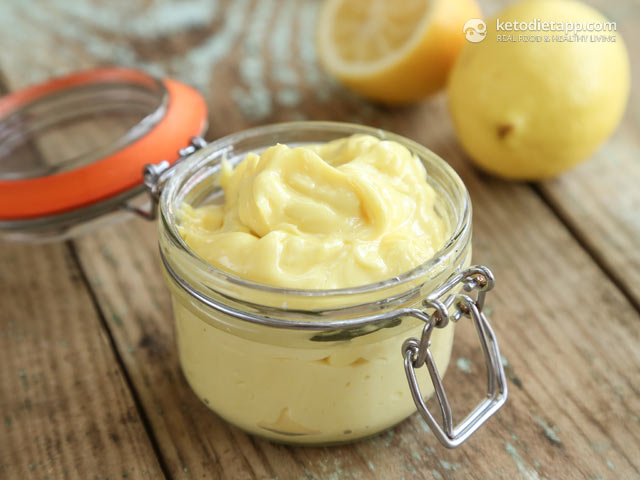
- Condiments — mustard (all varieties are fine except honey mustard), mayonnaise, salad dressing (look for varieties with just 1-3 grams carbs per serving); sugar-free or homemade ketchup, pickles or sugar-free pickle relish, olives, pesto sauce

Basic Low-Carb Sauces & Condiments
Pantry
- Canned fish — tuna, salmon, sardines, mackerel. Stock up when they’re on sale; they won’t go bad, and they’re an excellent snack or part of a meal.
- Nuts & seeds — all nuts & seeds are fine, but go easy on peanuts and cashews, as these are technically legumes and are higher in carbs than are tree nuts. (Consider keeping nuts & seeds in the fridge if you don’t finish them in a timely manner. The oils may turn rancid if they sit around for too long, but this usually takes a long time. Most low-carbers have the magical power of making nuts disappear quickly, so this isn’t usually a problem!)
- Coconut — coconut milk, coconut cream, shredded coconut, coconut flour, coconut oil
- Canned tomatoes — stock up when they’re on sale and keep a variety on hand—crushed, whole, diced, stewed, plain, fire-roasted, seasoned with chilies, etc. Read labels and avoid varieties with added sugar.
- Pickled and jarred vegetables and fruit — cucumbers, olives, capers, sauerkraut, etc
- Canned pastes and sauces — curry pastes (watch for added sugar), harissa paste, pesto sauce
- Healthy oils — extra virgin olive oil, walnut oil, macadamia oil or avocado oil, toasted sesame oil (for occasional stir-frying or finishing; lends a delicious Asian flair). For more information, here's our Complete Guide to Fats & Oils.
- Assortment of vinegars — apple cider, red wine, champagne, balsamic (all vinegars are fine for keto; just go easy with balsamic, as it’s higher in carbs than the others). By the way, did you know that vinegar helps lower blood sugar?
- Salt & pepper — for the best pepper flavor, use a grinder and grind fresh
- Liquid seasonings — Fish sauce, soy sauce, tamari (wheat-free soy sauce), or coconut aminos (wheat- and soy-free soy sauce substitute)
- Dried or powdered herbs & spices — anything you like — cayenne pepper, red pepper flakes, cumin, sage, thyme, chili powder, basil, oregano, curry powder, turmeric, rosemary, cinnamon, etc. Many herbs taste best when used fresh, but dried versions work in a pinch.
- Low-carb sweeteners — erythritol, stevia, monk fruit extract, etc (You can find out more about the Top 5 Low-Carb Sweeteners in this post
- Pork rinds or chicken cracklings — perfect for when you miss the unique crispy crunch of a chip. They’re great on their own and also make a perfect snack with homemade dip made from sour cream, cream cheese, or guacamole, and you can even use crushed pork rinds as “breading” for chicken breasts, pork chops, and more.
- Dark chocolate (85% or higher, or make your own homemade sugar-free chocolate)

If you keep your kitchen stocked with most of the above — or your personalized version of it, consisting of the low-carb foods you like best — meal prep will be a breeze. When you have the right things on hand and you know your way around a spice rack, whipping up keto meals is quick and easy. Here are some specific suggestions to help you do just that.
Low-Carb Pickles & Condiments
2. Cook in Bulk: “Go Big or Go Home”
If you’re someone who enjoys cooking and looks forward to doing it multiple times a day, this tip might not apply to you. But if you have a schedule jam-packed with running from one commitment to the next, and you laugh at the mere thought of having time to cook every day, set aside a bit of time once or twice a week to prepare a large amount of food.
It takes almost no extra time to prepare a large amount of food as it does just one serving, so if you’re going to dirty a few knives, spoons, pots, and pans, you might as well have something substantial to show for it.
Eggs
Boil a dozen or two at a time. Hard-boiled eggs are a low carber’s best friend for a quick, convenient, and portable source of protein & fat. They’re a snack, they’re a meal, they’re deviled eggs or egg salad later in the week. If you’re going to boil eggs, there’s no point in boiling just 2 or 3 eggs. Try a dozen, or two dozen and keep in the fridge for up to a week.
Chicken
Chicken breasts, thighs, or leg quarters (with or without skin & bones): As long as you’re cooking these, make 2 or 3 packages at once, whether that’s grilled, roasted, baked, or broiled. You can use them for a meal that day, or cut them into strips or chunks and eat them cold for a snack — very yummy dipped in blue cheese or ranch dressing, or guacamole. Over the next few days after that, they can be used as the protein in a lunch or dinner salad, or used to make chicken chili, thanks to the peppers, canned tomatoes, and spices you keep on hand.
Chicken breasts are often frowned upon in the keto community, but they’re perfectly acceptable as a protein source. They’re very lean and are nearly flavorless, but these are benefits, not drawbacks. It means they’re the perfect vehicle for any flavors and healthy fats you might like to add: melt cheese on top, wrap them in bacon, slice them and dip in ranch or blue cheese dressing or guacamole. Stuff them with ham and cheese for chicken cordon bleu, or with spinach, mozzarella, and sun-dried tomatoes for an Italian treat.
Meat for Slow Cooking or Pressure Cooking
Cooking in a slow cooker (or a pressure cooker like Instant Pot) is convenient and budget-friendly because it enables you to cook tough, inexpensive meat cuts, such as brisket, chuck, shin, shanks, and oxtails, turning them into hearty stews and wholesome curries. It’s also likely you will cook meat and sides together instead of having to prepare them separately on the stove or in the oven.

Steak
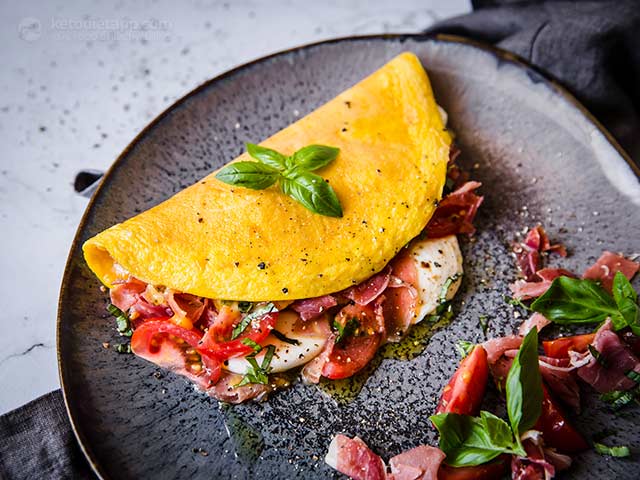
Don’t bother cooking just one. If you’re grilling or broiling anyway, cook several steaks. (And here’s a primer on how to cook the perfect steak.) Have one for dinner; use another in a salad the next day or the day after that. You can also treat yourself to steak & eggs one morning or make a steak omelet or frittata. Slice up a couple of leftover steaks, combine with the onions and bell peppers you keep on hand, and you’ve got fajitas for dinner later in the week. (Also works for chicken breasts!)
Sausages
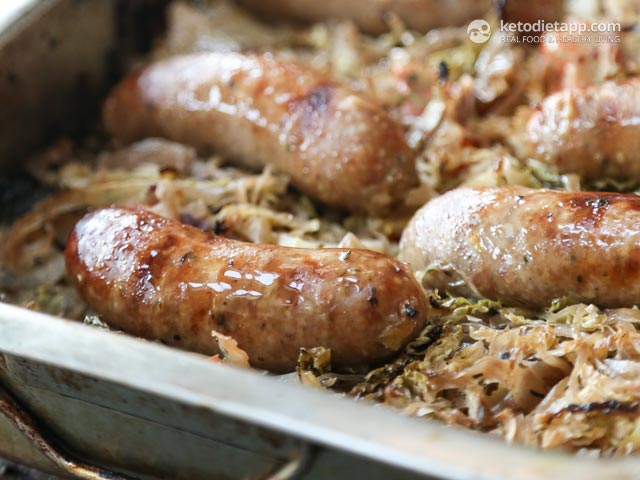
Use whatever kind you like: pork, chicken, turkey, beef, or perhaps there’s a shop near you that sells meats a bit out of the ordinary, like venison or wild boar. Bake or grill many of them at one time. Cold sausages make excellent snacks or a breakfast on the go. (Applies to the large grilling sausages as well as the smaller breakfast links.)
Raw Vegetables
If you often stock up on fresh, beautiful produce in an array of bold and appealing colors only to throw them out in two weeks’ time because they’ve rotted before you got to them, you’re not alone! No matter how delicious these are, sometimes the effort required to peel, slice, or chop just feels like a bit too much, so we let them languish at the bottom of the vegetable drawer. The solution to this is to wash, peel, slice and dice them ahead of time, and keep them stored in airtight containers in the fridge.
Some nutrients degrade with time, as well as upon exposure to light and air, so you might lose just a little bit by cutting into them a day or two (or three!) before you eat them, but you’ll lose less nutrition that way than if you end up throwing them away altogether. Keeping healthy foods in your home does you no good if you don’t actually eat them. (Kind of like that piece of exercise equipment you bought and swore you were going to use, but which has actually turned into a highly efficient clothing rack.) When they’re prepped ahead of time, they’re a cinch to grab as a snack, toss into a salad, or cook as a side dish.
Cooked Vegetables
Roast, steam, grill, bake, or sauté a huge pile of vegetables at once. Use in salads, omelets, quiches, as side dishes, or as a snack by themselves. Steam a ton of broccoli or cauliflower and keep it plain. Then, you can use it any way you like later in the week: tossed in a stir-fry, eaten cold as a snack, or even blended into a soup.
If you cook a large amount of vegetables and leave them plain, you can fix them any way you want when the time comes for their second or third appearance on your plate: drizzle with olive oil and balsamic vinegar; toss with olive oil, parsley and cumin for a cold Moroccan-style salad; combine with toasted sesame oil and soy sauce or coconut aminos for an Asian flavor.
Recipes Suitable for Bulk Cooking
https://ift.tt/2zDyb9m


 If you're this fudge as a gift, you can wrap them in candy paper and tie with a string!