Tuesday, November 20, 2018

Ketogenic Diet with Anti-Inflammatory Approach for Anxiety

Ketogenic Diet with Anti-Inflammatory Approach for Anxiety

Your chest is tightening, thoughts are racing, you begin second guessing conversations of the past or concerning yourself with the ever-loving list of “what-ifs”, your mouth dries, you experience tension in your upper back and neck, grinding of your teeth, sleep disturbances, digestive distress, and a generalized feeling of unease, these are just some of the symptoms of generalized anxiety disorder and you may be experiencing it just accepting this as stress or “normal”.

The reality is, anxiety is the rise impacting an estimated 30% of the population with pharmaceutical companies increasing sales for mood stabilizing and anti-anxiety drugs over 65% increase in the past 15 years (1).

Whether you want to deem it anxiety of just mismanaged stress, it is important to understand how you can arm your body to be more resilient to distress and anxiousness so you can experience your day to day life in a more grounded balanced approach which will influence your cognitive function, mood, energy levels, sleep, hormones, metabolism, and overall quality of life.

What are the Downfalls of Conventional Medicine for Anxiety?

In modernized medicine the first line of defense for anxiety and depression is a medication that influences the way neurotransmitters are expressed. The most common drugs include reuptake inhibitors which influence the way certain neurotransmitters typically serotonin in the case of SSRIs, or newer drugs targeting both serotonin and norepinephrine, in the case of SNRIs.

Neurotransmitters are chemical messengers that influence mood, sleep, digestion, libido, pain, concentration and focus to name a few. Unfortunately, when reuptake inhibitor drugs are prescribed, the doctor often doesn’t test to confirm which neurotransmitter is imbalanced. Adding insult to ignorance, the drugs themselves do not increase the stores of the neurotransmitters; they simply recycle the already often low neurotransmitter, which can often lead to even lower production driving more symptoms and mood instability.

Rather than working to block a feedback signal as these medications do, using food-as-medicine and targeted nutrient supplemental support, one may be able to modulate or adjust the signal mechanisms while preventing excessive demand and even replete low neurotransmitters.

The Ketogenic Diet as a Tool for Anxiety

The ketogenic diet has recently been acknowledged as a novel approach to mood management both for its blood sugar reducing and stabilizing effects as well as the therapeutic benefits that ketones offer to neurological health.

What is the Link between carbohydrate consumption and Anxiety?

Researchers have found individuals with elevated blood sugar levels are more than two-fold more likely to develop depressive illness (2). Elevation of diabetic marker HgbA1C% is a known risk factor for dementia and is starting to be examined as a risk factor for depression, anxiety, bipolar, ADHD, and mood disturbance. Mechanisms may be due to oxidative damage impacting nerve function in the brain, elevations of insulin and inflammatory action, or irregular blood sugar levels and hypoglycemia driving symptoms.

Beyond the benefits seen with reducing carbs in the diet to regulate these drivers, consistent restriction of carbohydrates to generate ketones will provide neuroprotective and mood stabilizing effects.

You may have noticed beyond reduced cravings you feel more grounded or balanced mentally, in fact my favorite testimonial from clients to date is, “I feel more like myself again” in reflection of living in a ketogenic state. Ketone bodies have the ability to cross the blood brain barrier and directly interact with neurotransmitters.

How Does the Ketogenic Diet Help Manage Anxiety? 1) Ketosis reduces overactivity in the Central Nervous System

Ion shifts that occur during ketosis are one mechanism in which the ketogenic diet reduces overactivity in the central nervous system (CNS) as a tool for epilepsy management. This same proposed mechanism is utilized to regulate mood and reduce excitatory neurotransmitter excess to reduce anxiety and stress response (3).

In fact anti-seizure drugs such as Lamotrigine and Gabapentin are being used as antidepressants in increasing amounts and yet the same diet intervention for seizures can also be used as medicine for mood.

2) Ketosis increases GABA expression

Furthermore as ketones cross the blood-brain barrier, they can increase expression of GABA, a neuro inhibitory compound that mellows out the brain and body. GABA when too low is associated with rigidity, spasms, palpitations, tightness in the chest, and restlessness physically.

Emotionally, low GABA can drive irritability, short fuse, racing thoughts, impulse control issues or compulsive eating and cravings. Increasing GABA expression with the use of nutritional ketosis can create stabilized mood and reduction of anxiety.

3) Ketosis reduces stress response feedback

Ketones in the blood stream have been directly studied as a tool for mood stability and reduced stress acitivty as they provide negative feedback to the fight-or-flight stress responding HPA-axis (4).

The ketogenic diet can enhance your mind and mood by regulating a consistent low glucose level which reduces insulin response and has anti-inflammatory mechanisms while reducing excitatory neuron activity mellowing out and stabilizing your body and mind with increased GABA expression.

Inflammation and Anxiety Connection

Beyond the metabolic transition into ketosis, it is important to acknowledge that the foods we choose can have both beneficial or deleterious effects on our health. Beyond the reduction of carbs and reworking the diet to support production of ketones, it is important the diet is comprised of non-processed whole foods to get most supportive brain balance. In fact, reduction of proinflammatory foods is the key to uncovering the magic of ketones when clients are yet to experience the mood stabilizing boost.

Inflammation is mediated by inflammatory mediator chemicals (prostaglandins, leukotrienes, interleukins) that are released in excess in response to consumption of proinflammatory foods. The inflammatory chemical responders have the ability to cross the blood-brain barrier directly interfering with neurotransmitter signaling, brain function, and mood stability (5).

To add insult to injury beyond impact on the central nervous system via blood-brain barrier, the presence of the inflammatory chemicals in the gut use the enteric nervous system (the neurological system of your gut or second brain of your body) to drive fight-or-flight neurotransmitter signals. This means even beyond the foods themselves impacting our brain as large particle disruption, when sympathetic stress responding neurotransmitters are released, the epinephrine signals to make body aware of inflammation directly perpetuates anxiety, worry, and distress (6).

This two-fold brain and gut response to inflammatory foods creates great interest in the field of neurology, psychology, and to functional practitioners looking to treat mood disorders from the root cause.

In a way when the body is hit with inflammatory foods it responds in distress mode as there is chronic injury and uses signals of fight-or-flight mode to “escape” which can be experienced as a generalized state of unease.

Diet can be used as a way to reduce inflammation which would in turn reduce inflammatory chemicals in the body to enhance neurotransmitter function and reduce stress response alleviating the chronic fight-or-flight worried mode that can drive depression, anxiety, and panic. The top inflammatory foods to reduce anxiety and support balanced mood are: Corn, Soy, Gluten, and Dairy.

Removing Inflammatory Foods to Boost Mood

Even within the constructs of a low carbohydrate diet one may be consuming any of these inflammatory ingredients in the form of processed additives, binders, fillers, and sweeteners.

Corn

Beyond the obvious high fructose corn syrup which shouldn’t be in the keto diet, many people eating low carb consume maltitol, sorbitol, and other corn-derived non-caloric sweeteners, as well as common preservatives and fillers such as citric acid, isomaltooligosaccharide, and even corn fiber to lower “net carbs” in low quality low carb bars.

Corn is high in omega-6 proinflammatory fats and is highly genetically modified with dramatic increases of GMO crops hitting the market starting at 8% in 1997 to 92% in 2016 in the US (7).

This GMO crop shift creates higher residue of glyphosate agricultural chemical which functions as a neurotoxin in the body. The primary GMO crop of corn and soy is "Roundup Ready" meaning it withstands higher amount of this toxic glyphosate and other herbicides allowing farmers to spray significantly more chemicals to deter weeds without killing the crop. This Roundup Ready GMO crop drives more toxic chemical residue and inflammatory impact.

Soy

Soy is another highly genetically modified crop that has high residue of glyphosate (8). As noted above the role of this chemical is a neurotoxin interfering with neurological system function, but what is interesting on the effects of glyposate and soy is that the compound interferes with the production of the essential amino acids phenylalanine, tyrosine and tryptophan (9).

These amino acids have influences on mood stability and anxiety with tryptophan serving as the building block to well known anti-anxiety and antidepressant serotonin. Even if not GMO which is a slim chance, soy has high amounts of proinflammatory omega-6 and phytates, compounds that interfere with nutrient absorption (10). Beyond its anti-nutrients and inflammatory composition, soy can influence sexual hormones that can drive imbalanced estrogen expression or estrogen dominance, which can further drive imbalanced mood, belly fat, and insomnia.

Gluten

Gluten has just as many hidden forms and can drive leaky gut by interfering with the zonulin junctions that serve as the bodyguard of your gut-blood barrier (11, 12, 13, 14). This means consumption of processed foods with gluten can drive leaky gut response driving more inflammation due to larger particles of all foods passing into the bloodstream causing distress.

Gliadin, the protein in gluten, also interferes with thyroid hormone function which can drive imbalanced metabolism, sleep, and mood. Furthermore the gliadin interacts with opioid receptors in the brain that drive mood disturbances and drive addictive tendencies (11).

Clinical outcomes have been observed in reduction of anxiety, depression, and schizophrenia with strict removal of gluten in the diet as gluteomorphin proteins are drivers of inflammation in the blood brain barrier (12, 13).

Dairy

Dairy may be the most difficult to swallow as it is not a byproduct in the keto lifestyle, it is typically a staple. Dairy has two primary drivers of inflammation: lactose and casein.

Lactose tends to cause more digestive distress due to enzyme activity or lack of lactase production driving bloating, discomfort and bowel distress — lactase enzyme supplement may help in this case.

Casein — a protein in dairy — causes more inflammatory and neurochemical impact on the body as just like gluten, it has morphine-like influence via casomorphins that can drive irritability and mood disturbance. For this reason, studies have linked negative impacts of dairy on those with autism, ADHD, bipolar disorder, and other mental illness (15, 16).

Not all dairy is created equal and in some cases benefits outweigh the potential negatives. For anxiety support the role of casein on a neurochemical level, I remove dairy in my Anti-Anxiety Diet for 12 weeks allowing casein-free sources (ghee and grass-fed whey as early as week 7).

How to Combine Ketosis and Inflammatory Food Removal

To enhance your mood and get the best food-as-medicine influence from your ketogenic diet, work to eat whole foods which will eliminate the concern of byproducts.

Replace processed bars, shakes, and keto desserts with nut butters, homemade unsweetened fat bombs and other sweetener-free and dairy-free keto treats, roasted vegetables, clean proteins, and savory combinations of real single ingredient foods.

The Anti-Anxiety diet is all about removing sweeteners (even non-caloric ones) focusing on channeling savory to create grounded stable energy. The savory keto approach allows one to break up with sugar for good and reduce food addiction and cravings, which tend to create guilt, shame, rumination, and more anxiety!
To reduce the reactivity of gluten and casein as potential byproducts when dining out or if indulging on a cheese platter over the holidays, consider using a quality digestive enzyme that has hydrochloric acid (HCl-) and dipeptidyl peptidase-4 (DPPVI), just like those with acid reflux issues.

This is important as low stomach acid will reduce the breakdown of these compounds making them more irritating and DPPVI reduces opioid-activity of these ingredients. Sub out dairy for coconut milk or nut milk, nut-cheese, meats, avocado, and herbs, often replacing dairy with another pungent flavor works well. Grass-fed whey in a non-denatured form and ghee may be considered as they are free of both lactose and casein.

Keto is a great step in the right direction for neurological health and for some people it may be enough, but if you are feeling “off” or not feeling grounded or constantly dancing from stressed and wired and stressed and tired, you may want to remove these four ingredients for at least eight weeks to reset your system and reduce inflammatory stress.

If you see outcomes but want to test tolerance, consider bringing them back one at a time to assess shifts and reactivity based on elimination diet principles. Layering this anti-inflammatory approach and transitioning your keto to a clean whole foods diet will likely not only aid in mental clarity and mood stability but it may give you a boost on the scale and have other whole body health support.

Take Home Message

Practicing a low carb diet supports your body's mood through regulated blood sugar levels and less energy irregularities whereas the ketogenic diet will provide additional support on managing stress response and anxiety tendencies via inflammatory and neurotransmitter mechanisms.

The influence of ketones can be further supported by the application of an anti-inflammatory diet that is supported by optimal digestive system function.

Anxiety can drive excessive stress response, heart palpitations, body temperature changes, and a generalized feeling of unease.

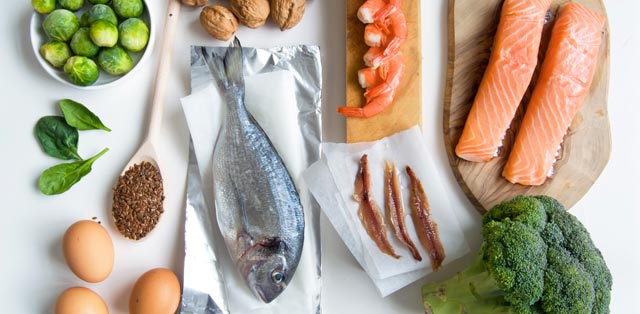
Consider taking your ketogenic diet to the next level with removal of corn, soy, gluten, and dairy, while eating in an abundance of quality fats, leafy greens, herbs, spices, nuts, seeds, berries, and clean sourced protein.

https://ift.tt/2S2lonK

Monday, November 19, 2018

No-Churn Keto Vanilla & Strawberry Ice Cream

No-Churn Keto Vanilla & Strawberry Ice Cream

I have a funny relationship with my ice cream churn.

On one hand, I love that I have an ice cream churn and I can make ice cream. On the other hand, it’s messy and takes ages and I’m forever forgetting to pre-freeze it. Let’s be honest, it’s just that I forget to pre-freeze it but the other complaints sound legit.

So when I saw this no churn keto vanilla ice cream from Martina, I was so excited. I could have this made and being spooned into my mouth with hours. Hours!

And then I made a batch of my roasted strawberries, which I love with cream, and wondered what they would be like swirled through this low-carb ice cream.

Answer? SOOOOO GOOD! Got a couple of hours, make some keto ice cream. Enjoy!

Preparation time
Hands-on:    20 minutes
Overall:     4 hours 20 minutes
Nutritional values (per serving, per serving, ~ 1 cup, 2 large scoops)
Total Carbs 4.2 grams
Fiber 0.5 grams
Net Carbs 3.7 grams
Protein 5.3 grams
Fat 22.2 grams
of which Saturated 13.1 grams
Energy 247 kcal
Magnesium 11 mg (3% RDA)
Potassium 131 mg (7% EMR)

Macronutrient ratio: Calories from carbs (6%), protein (9%), fat (85%)

Ingredients (makes 6 servings)

Holiday tip: Swap the strawberries with our Spiced Orange Cranberry Sauce!

Instructions
  1. To roast the strawberries, preheat oven to 175 °C/ 350 °F. Quarter the strawberries and place them in a mixing bowl (no cutting needed if you are using frozen strawberries). Sprinkle them with 1 teaspoon of the Swerve, reserving the rest for the ice cream. Add the vanilla powder and stir through the strawberries until they’re well coated.
  2. Spread out onto a baking tray and roast for 20 minutes. Remove from oven and let cool.
  3. When cooled, blitz in a mini processor until they form a smooth puree.

  4. Separate the egg whites from the egg yolks. Place the whites in your stand mixer bowl and start whisking then add the cream of tartar. As the egg whites thicken, slowly add the Swerve, beating well in between each addition. Whisk until they create stiff peaks.
  5. In another bowl, whisk the cream until soft peaks form. Be careful not to over whisk the cream.
  6. In a third bowl, mix the egg yolks with the vanilla extract.
  7. Slowly fold the whisked egg whites into the whipped cream. Then add the egg yolk mixture and gently fold in using a spatula until well combined.
  8. Place alternate spoonfuls of ice cream mixture and strawberry puree into your ice cream container and then swirl with a spoon.

  9. Freeze for at least 2 hours. Depending on the size of the container, this may take up to 4 hours. Scoop and serve!
    Note: If you're using coconut cream instead of dairy cream, the ice cream won't be as fluffy and the serving size will be smaller. Or you can add more coconut cream.
  10. Store in freezer for up to 3 months. It's easier and better for portion control to divide and store the ice cream in individual single-serve containers. To serve, leave at room temperature for 15 minutes to soften.

https://ift.tt/2qWjbii

Sunday, November 18, 2018

Low-Carb Spiced Orange Cranberry Sauce

Low-Carb Spiced Orange Cranberry Sauce

Cranberry sauce is one of my all-time favorite condiments even when it’s not holiday season! Typically though a serving of traditional cranberry sauce can contain upwards of 22 grams of sugar, that’s crazy.

This keto cranberry sauce has a tiny fraction of that and is spiced with fresh oranges and spices like clove and cinnamon.

Serve this healthy low-carb cranberry sauce with your holiday meal and I guarantee no one will be able to tell the difference. It’s perfect on your holiday turkey but I even love it on taco bowls, trust me. A bit of cauliflower rice with grilled steak, squash, and kale this makes a perfect “harvest” style bowl you will love!

Preparation time
Hands-on:    5 minutes
Overall:     15 minutes
Nutritional values (per serving, about 1/4 cup/ 58 g/ 2 oz)
Total Carbs 6.1 grams
Fiber 1.7 grams
Net Carbs 4.4 grams
Protein 0.3 grams
Fat 0.1 grams
of which Saturated 0 grams
Energy 24 kcal
Magnesium 4 mg (1% RDA)
Potassium 49 mg (3% EMR)

Macronutrient ratio: Calories from carbs (91%), protein (5%), fat (4%)

Ingredients (makes 8 servings)
  • 3 1/2 cups fresh or frozen cranberries (350 g/ 12.3 oz)
  • 2/3 cup granulated Swerve or Erythritol (130 g/ 4.6 oz)
  • 1/4 tsp ground cinnamon
  • pinch of sea salt
  • 1/8 tsp ground cloves
  • 1 organic orange, zested
  • 3 tbsp fresh orange juice (45 ml)
Instructions
  1. Place the cranberries in a medium pot and heat over a medium heat.
  2. Add the Swerve, cinnamon, salt, cloves, orange zest and orange juice.
  3. Bring the mixture to a simmer.
  4. Cook for 7-10 minutes, stirring occasionally, until the cranberries are broken down and the sauce is thick.
  5. Transfer to a bowl and serve. To store, place in a lidded container and store in the refrigerator for up to one week. This sauce also freezes really well, simply freeze in a freezer safe container and reheat on the stove top for 5-10 minutes.
https://ift.tt/2qREpNZ

Saturday, November 17, 2018

Keto Mini BLT Party Bagels

Keto Mini BLT Party Bagels

The mighty BLT made super cute into bite sized low-carb bagels for the perfect party appetiser! The dough is based on our most popular Ultimate Keto Bun recipe recipe that is fluffy and tastes almost like real bread — have you tried it? 😉

Make these bite-sized keto bagels in less than an hour and serve them at your Thanksgiving, Christmas or New Year’s celebrations. If you don’t have a mini bagels tin you can of course make them larger and cut them into halves or quarters.

These mini low-carb bagels are so good even your carb loving friends will be sneaking them off the party table! Topped with perfectly crispy bacon and extra healthy fats from the homemade mayonnaise and avocado. I hope you enjoy guys.

Preparation time
Hands-on:    25 minutes
Overall:     55 minutes
Nutritional values (per mini bagel)
Total Carbs 3.1 grams
Fiber 2.2 grams
Net Carbs 0.9 grams
Protein 2.4 grams
Fat 10 grams
of which Saturated 1.7 grams
Energy 106 kcal
Magnesium 15 mg (4% RDA)
Potassium 106 mg (5% EMR)
Ingredients (makes 32 mini bagels) Mini bagels (dry ingredients): Mini bagels (wet ingredients):
  • 3 large egg whites (egg yolks reserved for another recipe)
  • 1 large egg
  • 1 cup boiling water (240 ml/ 8 fl oz)
Toppings:
  • 11 slices thin-cut bacon (165 g/ 5.8 oz)
  • 1 cup paleo mayonnaise (220 g/ 7.8 oz) - you can make your own mayo
  • 16 cherry tomatoes (200 g/ 7.1 oz)
  • 1 large avocado (200 g/ 7.1 oz)
  • 2 1/2 cups rocket/arugula (25 g/ 0.9 oz)
  • 1/4 tsp cracked black pepper
Instructions
  1. Preheat the oven to 155 °C/ 310 °F (fan assisted oven), or 175 °C/ 350 °F (conventional oven). Add all the dry ingredients to a bowl and mix.
  2. Add the egg whites and egg yolk. Process using a hand mixer (or use a stand mixer).

  3. Add the boiling water while mixing, and process until well combined (this will take just a few seconds, do not over process).

  4. Grease your mini muffin tray with a little ghee, coconut oil or olive oil. Roll the bagel mix into small balls (just about 18 g/ 0.6 oz each) and press into the moulds. Make sure the hole shows through.
  5. Bake in the oven for 25-30 minutes until golden. If making larger bagels you may need to increase the cooking time slightly.
  6. Once cooked, place the mini bagels on a wire rack to cool. If the hole has covered over, simply pierce with the non-serving end of a spoon.
  7. Crisp up the bacon. Preheat the oven to 190 °C/ 375 °F. Line a baking tray with baking paper. Lay the bacon strips out flat on the baking paper, leaving space so they don't overlap. Place the tray in the oven and cook for about 10-15 minutes until golden brown. The time depends on the thickness of the bacon slices.
  8. When done, remove from the oven and set aside to cool down. Cut each slice into three pieces.

  9. Prepare the mayonnaise as per this recipe - or use store-bought paleo mayonnaise. To make mine, I used a food processor and let the oil drip slowly into the egg yolk mixture until emulsified.
  10. Thinly slice the avocado and then half the length of each slice to make two slices. Slice or quarter the tomatoes.

  11. Top each mini bagel with a teaspoon of mayonnaise, rocket, 2 pieces of tomato, avocado and bacon. Serve with a sprinkling of cracked black pepper (3-5 mini bagels per serving).

  12. Store in fridge for 2 days. The bagels (without topping) can be frozen for up to 6 months.
https://ift.tt/2DtcL1y

Friday, November 16, 2018

Low-Carb Cheese Soufflé

Low-Carb Cheese Soufflé

I have always placed soufflés in the “too hard” basket, but after experimenting a bit recently I was surprised at how easy they actually were!

The trick to getting a really airy soufflé is to beat your egg whites until stiff peaks form, and then fold the rest of the mixture through until it’s just combined — if you over mix here you’ll lose some of the air you’ve just whipped in, creating a flat soufflé.

Despite being a little different to a more traditional soufflé in that these low-carb soufflés do not use flour to create the roux, you won’t notice the difference in the end result — they puff up beautifully with a soft, airy filling that melts in your mouth.

These keto soufflés are best served immediately, but if you do need to prepare them in advance, you can reheat the, at a slightly lower heat to get them to puff up again. Note that if doing this, you’ll need to ensure your ramekins aren’t too cold if they are ceramic (i.e. not straight from the fridge) otherwise they will crack when placed in the hot oven.

Preparation time
Hands-on:    15 minutes
Overall:     30-35 minutes
Nutritional values (per serving)
Total Carbs 2.1 grams
Fiber 0.5 grams
Net Carbs 1.7 grams
Protein 15.1 grams
Fat 23.1 grams
of which Saturated 11.7 grams
Energy 276 kcal
Magnesium 27 mg (7% RDA)
Potassium 158 mg (8% EMR)

Macronutrient ratio: Calories from carbs (2%), protein (22%), fat (76%)

Ingredients (makes 3 servings)
  • 2 tbsp butter (28 g/ 1 oz)
  • 1 heaped tbsp almond flour (8 g/ 0.3 oz)
  • 1/4 tsp sea salt
  • 1/3 cup almond milk (80 ml/ 2.7 fl oz)
  • 2 tsp Dijon mustard
  • 1/2 cup shredded cheddar cheese (57 g/ 2 oz)
  • 2 tbsp + 1 tbsp grated Parmesan cheese (20 g/ 1.1. oz)
  • 3 large eggs, separated
Instructions
  1. Preheat oven to 200 °C/ 390 °F (conventional oven) or 190 °C/ 375 °F (fan forced oven). Grease three 1 cup capacity ramekins (or two 1 1/2 cup ramekins like I did).

  2. Melt the butter in a medium sized saucepan. Add the almond meal and salt and stir constantly until combined – it will thicken slightly, though not as much as a traditional roux.
  3. Add the milk and Dijon whisking constantly until smooth. Continue stirring until the mixture starts to boil, then reduce to a simmer and whisk until it has thickened slightly, about 5 minutes.
  4. Add the cheddar cheese and 2 Tbsp of the parmesan and stir to combine, then remove from heat.

  5. Stir the egg yolks into the cheese mixture and stir to combine.
  6. Beat the egg whites with an electric mixer until stiff peaks are formed.

  7. Gently fold the cheese mixture through the eggs until combined.
  8. Spoon mixture between the ramekins, and sprinkle with the remaining 1 tbsp parmesan. Place on a baking tray inside oven.

  9. Reduce heat to 180 °C/ 355 °F (conventional oven) or 170 °C/ 340 °F (fan forced oven). Bake 15 - 20 minutes or until puffy and starting to lightly brown.

  10. Eat immediately while still warm.
https://ift.tt/2Q4m0Mf

Thursday, November 15, 2018

Low-Carb Chocolate Hazelnut Celebration Cake

Low-Carb Chocolate Hazelnut Celebration Cake

In my former life, if you wanted to curry favour with me you would buy me Ferrero Rochers. That chocolate and hazelnut combination just trips my switch and it’s one of my favourite combinations still. It was my birthday recently and I thought what better excuse to pull out the big guns and make a truly spectacular cake?

This recipe is based on an old olive oil cake that I loved making, so I re-invented it, keto-style. I’m not going to lie, there is some effort involved, but LOOK at the end result!

A few notes: I used a combination of almond and hazelnut flours. Don’t be tempted to increase the hazelnut flour though. While the right amount will give it a Nutella-like flavour, too much hazelnut flour would increase the carbs and even give your cake a bitter taste. Also, most of the bitterness comes from the peel so make sure to use hazelnut meal from peeled hazelnuts.

Don’t use extra virgin olive oil, not only is it expensive, the flavour is too strong for this recipe. Use a mild tasting olive oil instead.

Whipping the ganache for the frosting makes it easier to spread and also increases the mass of the ganache, so you don’t need to use as much.

And I know that you’re looking at the serving size and thinking 1/16th of a cake? That’s just a crumb! Nope. I love chocolate and I love cake and I could barely make it through a slice.

This cake is intense and rich and all of the good things in the world, and 1/16th is more than enough. Enjoy!

Preparation time
Hands-on:    1 hour 15 minutes
Overall:     1 day
Nutritional values (per serving)
Total Carbs 12.9 grams
Fiber 5.6 grams
Net Carbs 7.3 grams
Protein 9.5 grams
Fat 51.1 grams
of which Saturated 14.9 grams
Energy 517 kcal
Magnesium 124 mg (31% RDA)
Potassium 403 mg (20% EMR)

Macronutrient ratio: Calories from carbs (6%), protein (7%), fat (87%)

Ingredients (makes 16 servings) Cake: Ganache: Instructions
  1. Day One: Make the cake base. Chop chocolate into small pieces and place in a heatproof bowl. Heat cream on stove until just barely simmering. Then, pour hot cream over chocolate and let stand for 5 minutes. (Don’t then drop your kitchen timer into the ganache like I did). Whisk until smooth. Pour about a 1/3 of the ganache into a separate bowl and sit both bowls on the counter at room temperature to set overnight.
  2. Preheat oven to 170 °C/ 340 °F. Grease your cake tins with a little oil and line the base and sides with baking paper.
    I used a set of two 20 x 5 cm (8 inch x 2 inch) sandwich cake pans, measuring but you could also use standard 20 cm (8 inch) springform tins. This recipe makes two cakes, so don’t pour the entire mixture into one tin.
  3. Put the almond flour and ground hazelnuts into a mixing bowl, along with the baking soda and stir to combine. Set aside.
  4. Pour the boiling water into a heatproof jug and add the cacao powder and vanilla extract (reserve about 1 tablespoon of cocoa powder for coating the truffles). Whisk until it forms a smooth paste and then sit it aside to cool.
  5. To the bowl of your stand mixer, put the Swerve, olive oil and eggs. Beat until it is pale yellow and slightly thickened. Add the cocoa paste mixture to the olive oil mix, beating slowly as you go.
  6. When it is all combined, add the dry ingredients (mixed almond flour, ground hazelnuts and baking soda). Pour the cake batter into the prepared tins.
  7. Bake for approx. 45 minutes, depending on the cake tin that you used. A skewer inserted into the centre will come out with just a bit of moist cake on it. Remove from oven and cool on cake racks.
  8. Day Two: Decorate the cake. Take the smaller bowl a 1/3 of the ganache that you prepared on Day One. Using a teaspoon or melon baller, scoop different sized balls out and roll them with your hands. Chill on a plate in the fridge until ready to use.
  9. Keep about a 1/4 of the ganache mixture in the smaller bowl to melt for your drip decoration (for final decoration on top of the cake).
  10. Take the larger bowl of ganache, scrape it into your mixer bowl and beat it until it is light and fluffy, like frosting. (You may need to lick the beaters, it’s okay I won’t judge you!)

  11. Get a cake platter or decorating turntable out and put a smear of ganache frosting in the centre to hold the cake in place.
  12. Very carefully, cut each cake evenly in two. Starting and ending with cake, layer cake and frosting filling.
  13. Carefully spread the balance of the whipped ganache around the outside of the cake. I like to leave it a bit patchy towards the bottom, but that’s my personal taste. You can make little piped balls of this whipped ganache for decoration, if you have any left over. Place the frosted cake in the fridge for an hour until it is chilled.

  14. Heat the reserved ganache gently in the microwave until it is just liquid and very gently spoon it on top of the cake until it runs down the sides in a series of drips. Place cake back in fridge for another hour until ganache has re-set.
  15. Decorate with the chocolate ganache balls that you chilled in the fridge, rolling some in the remaining cocoa powder.

  16. Stand back and bask in the beauty of this cake 😊
  17. Slice and serve! Store in the refrigerator for up to one week.
https://ift.tt/2DG5YSR

Wednesday, November 14, 2018

Keto Jalapeño Cheese Bread

Keto Jalapeño Cheese Bread

This keto jalapeño cheese bread is reminiscent of pizza bread! Only requiring one bowl this is an easy low-carb, nut-free bread option to whip up for sandwiches, a snack, or simply a side.

Don’t like jalapeños or making this for the kiddos? Simply leave off the jalapeños or swap them for pepperoni or any other pizza style topping of your choice. This bread is also great when dunked into a bit of marinara or ranch dressing.

Preparation time
Hands-on:    5 minutes
Overall:     20 minutes
Nutritional values (per serving)
Total Carbs 3.3 grams
Fiber 1.7 grams
Net Carbs 1.5 grams
Protein 6.4 grams
Fat 5.9 grams
of which Saturated 3 grams
Energy 92 kcal
Magnesium 10 mg (3% RDA)
Potassium 90 mg (5% EMR)

Macronutrient ratio: Calories from carbs (7%), protein (30%), fat (63%)

Ingredients (makes 8 servings) Instructions
  1. Preheat the oven to 190 °C/ 375 °F and line a baking sheet with parchment paper. In a medium bowl whisk together the eggs and Greek yogurt.
  2. Add coconut flour, psyllium husks, salt and baking powder.
  3. Once smooth stir in half of the shredded cheddar cheese.
  4. Add the diced jalapeños.
  5. Press the dough into a 2.5 cm/ 1 inch sphere on the baking sheet. Top with remaining cheese and additional jalapeños if desired.
  6. Bake for 15 minutes or until golden and fluffy. Cut into 8 squares.
  7. Serve warm or let it cool down. Store in an airtight container in the refrigerator for up to 7 days.
https://ift.tt/2qLTele